Deciding how to repair a tooth that has a large cavity can feel like a big choice. If you are searching for a reliable dentist near you, learning about different types of restorations helps you make a smart plan. Inlays and onlays are special pieces of porcelain or gold that fit perfectly into a damaged tooth. Unlike a standard filling that is moulded inside your mouth, these are created in a lab to be extra strong. They provide a middle ground for teeth that are too broken for a filling but do not quite need a full crown yet.
What Makes These Restorations Different From Fillings
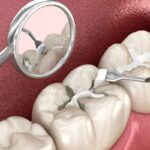
A standard filling is usually made of a soft material that hardens quickly once it is placed in a hole. But many residents choose dental inlays and onlays in Winnipeg because they are stronger and longer-lasting. An inlay fits inside the bumpy ridges on the top of your tooth. An onlay is larger and covers one or more of those pointy tips, which are called cusps. Because these are made outside of the mouth, the material is much denser and can handle the heavy pressure of chewing for many years.
What Factors Influence Dental Onlays’ Longevity
The amount of time these pieces stay in place depends on several different habits. If you grind your teeth at night, the constant rubbing can put a lot of stress on the porcelain. Using a nightguard is a great way to protect your investment and keep the edges of the restoration from chipping. The skill of the professional who glues the piece down also plays a role in how long it stays attached. A tight seal prevents bacteria from crawling underneath the edges and starting a new cavity in the healthy part of the tooth.
How Many Years of Use Can You Expect
Many people find that their porcelain or gold pieces last between ten and thirty years. When discussing the durability of inlays and onlays, experts often point out that these materials do not shrink or expand like some older filling types. Gold is especially famous for lasting a very long time because it is a soft metal that wears down at the same rate as natural enamel. Porcelain is also very tough and has the added benefit of looking exactly like a real tooth. Most patients enjoy decades of worry-free eating once the final piece is bonded into place.
Why Do People Choose These Over Full Crowns
- Saves Enamel: A crown requires the professional to file down most of your tooth, but an inlay only replaces the damaged part.
- Stronger Borders: The fit is so precise that it is easier to keep the gum line clean and healthy.
- Better Colour: Lab-made porcelain matches the shade of your surrounding teeth much better than a quick filling.
- No Shrinking: Since the material is already solid, it will not pull away from the tooth over time.
- Prevents Cracks: Onlays actually hold the tooth together, which stops small fractures from spreading deeper.
How Can You Make Your Restorations Last Longer
Keeping your mouth clean is the most important way to ensure your new repair stays strong. Brushing twice a day with a soft brush removes the sticky film that can weaken the bond between the tooth and the porcelain. Flossing is also vital because it cleans the tiny seam where the inlay meets the rest of your enamel. If you eat a lot of very sticky candy or hard ice, you might accidentally pull the piece loose or crack the material. Simple care allows the restoration to function just like a healthy, natural part of your smile.
Is the Process of Getting Them Complicated
Getting an inlay or onlay usually takes two separate visits to the clinic. During the first visit, the professional removes the decay and takes a digital scan or a physical mould of the tooth. A temporary cover is placed over the area while a lab technician builds your custom piece. A few weeks later, you return to have the permanent version glued down and polished. This two-step process ensures that the fit is perfect down to the smallest fraction of a millimetre, which is why they stay in place so well.
What Are the Signs That a Replacement Is Needed
Even the strongest dental work can wear down after many years. If you feel a sharp edge with your tongue or notice food getting stuck, it’s time for a checkup. Sensitivity to hot or cold can also mean the seal is loose. Dentists use small cameras to spot tiny gaps that you can’t see yourself. Catching these problems early makes fixing them simple and helps prevent infection.
Does Your Diet Affect the Life of the Material
Drinking lots of soda or acidic juice can slowly weaken the natural tooth around your inlay. The porcelain itself is strong against acid, but the enamel it’s attached to can still get soft. Water keeps your mouth balanced and aids in the removal of sugar. Chewing extremely hard things, such as nuts, or non-food items, such as pens, can cause the porcelain to shatter. Both your natural teeth and your dental work are protected by good eating habits.
Strong, Healthy Teeth for Life
Our goal is to help your teeth remain strong for the rest of your life by offering precise treatments and sensitive care. Our experts take pride in creating custom restorations that feel natural and look beautiful. We are committed to ensuring that you leave our clinic with a cheerful and healthy smile, whether you require a straightforward examination or a complicated repair.
Schedule your visit today at All Seasons Dental Clinic to keep your teeth in perfect shape!
Frequently Asked Questions
Are these procedures painful for most patients?
The process feels very similar to getting a standard filling. The area is completely numbed before any work begins, so you should only feel some light pressure. Most people find that the recovery is very fast, and they can return to their normal activities right after the appointment.
Will my insurance cover the cost of an inlay or onlay?
Many insurance plans treat these as “major” or “basic” dental work, depending on your specific policy. Since they are used to fix a cavity and protect the tooth, they are usually partially covered. It is a good idea to have the clinic send a pre-approval form to your provider to check your benefits.
Can I get an inlay if I already have a very large filling?
Yes, these are often used to replace old, failing fillings that have become too big for a new standard repair. Removing the old material and replacing it with a custom-made onlay provides much more strength to the remaining tooth structure.
How do I clean an onlay compared to my other teeth?
You do not need any special tools to keep your onlay clean. Just continue to brush and floss as you normally would. Regular professional cleanings are also important because they allow a specialist to check the edges of the restoration to make sure the bond is still strong and healthy.