
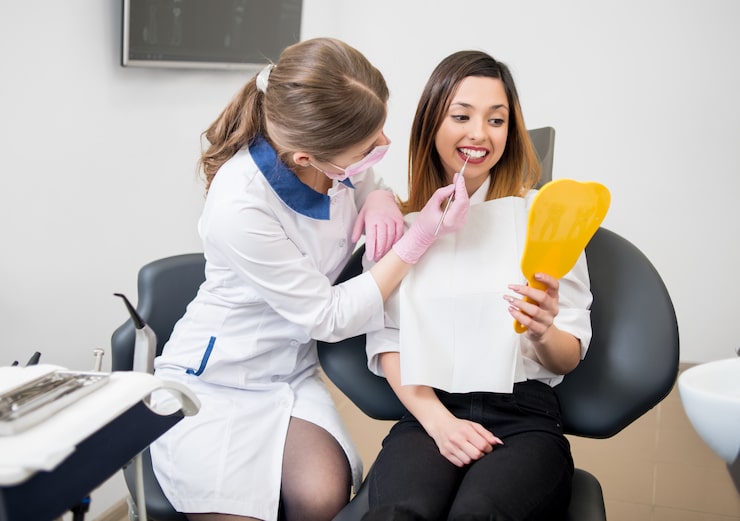
Your first dental visit generally begins with a review of your health and dental history, followed by a discussion of your concerns and an examination of your teeth and gums. A dental clinic in Winnipeg may also recommend dental images when they help with diagnosis. The exact appointment depends on your needs and the time booked.
An initial visit does not always include a cleaning or X-rays. Those steps depend on your history, examination findings, and whether they are appropriate at that time. Understanding the likely sequence can help you prepare and make the most of the appointment, especially if you have not had a checkup recently.
What Happens During a First Dental Appointment?
The sequence can vary, but an initial visit commonly includes:
- A review of your medical and dental history
- A discussion about current symptoms, concerns, and goals
- An examination of the teeth, gums, and other visible oral tissues
- A review of the bite and any areas that cause discomfort
- Dental images when they are clinically indicated
- A discussion of findings and possible next steps
A dentist near you will explain which areas need attention and whether additional visits are recommended. You should have a clear understanding of what was observed and why a particular next step may be useful.
What Should You Bring to Your First Appointment?
Preparing a few details in advance can make the visit more efficient. Consider bringing:
- Information about known allergies or relevant health conditions
- Previous dental records or X-rays, if available
- Insurance information, if you plan to use benefits
- A short list of symptoms, questions, or concerns
You don’t need every record to attend. If you cannot obtain previous images, mention that when booking. Avoid sending sensitive personal details through public comments or unsecured channels.
Will the Dentist Examine Your Teeth and Take X-Rays?
A clinical examination is generally part of an initial dental assessment. X-rays are not automatic for everyone. The dentist considers your symptoms, dental history, examination findings, and whether imaging is needed to assess areas you can’t visually evaluate in your circumstances.
Images may help identify decay between teeth, changes around roots, or other concerns that are not visible during a visual examination. The type and timing depend on your individual needs. If you have recent images, bring them or arrange to have them transferred when possible.
Will a Cleaning Be Part of the First Visit?
Professional cleaning may be included when appropriate and time allows, but it is not guaranteed. Some first appointments focus on an examination and discussion, with cleaning arranged separately. Gum health, deposits, symptoms, and the appointment type can all affect the plan.
A dentist in Winnipeg can explain whether the visit is intended for an examination, cleaning, or a combination. Confirm the appointment type in advance so you know what’s scheduled.
How Can You Prepare for the Appointment?
A few simple steps can help you feel more prepared:
- Arrive with enough time to complete any required forms.
- Describe symptoms clearly, including when they began and what makes them better or worse.
- Mention dental anxiety, accessibility needs, or communication preferences before the examination.
- Bring any questions you would like to cover.
- Confirm whether the appointment includes a cleaning or is limited to an assessment.
These details help the dentist focus on your main concerns instead of relying on a general checklist.
Are There Current Special Offers in Winnipeg?
Current Special Offers in Winnipeg include a free electric toothbrush for new patients after an examination and cleaning. Promotions, eligibility conditions, and availability can change, so confirm the details before booking. An offer should never determine whether a particular treatment is clinically appropriate.
How Are Findings and Next Steps Explained?
After the examination, the dentist should review any findings in language you can understand. This may include areas of decay, gum inflammation, worn restorations, or changes that need monitoring. You can ask for clarification if a recommendation is unfamiliar or if you want to understand the reason for a proposed test or treatment.
Some concerns may require a separate visit at a dental clinic near you because they need more time, preparation, or records. A written treatment plan can help you keep track of the suggested sequence and any follow-up. You do not need to decide on every non-urgent procedure during the first appointment.
How Should You Prepare If You Feel Nervous?
It is useful to mention dental anxiety, a sensitive gag reflex, or difficulty sitting comfortably before the examination begins. The clinic can explain the appointment sequence and discuss reasonable adjustments. A pause signal or brief explanations may visit feel more predictable, although arrangements depend on the examination and clinic policies.
Start With a Clear Picture of Your Oral Health
A first visit is mainly about understanding your needs and deciding what, if anything, should happen next. Book a consultation with All Seasons Dental Clinic to plan your first appointment and discuss your oral-health concerns. Clear information from the start can make the experience more comfortable and productive.
FAQs
What should I bring to my first dental appointment?
Bring relevant medical history, known allergy information, and previous dental records or X-rays if available. Insurance details may also be useful. A written note of symptoms and questions can help you remember the concerns you want covered during the appointment.
Will my first dental visit include a teeth cleaning?
Not always. Some initial appointments focus on a comprehensive examination and discussion, with cleaning arranged separately. Whether a cleaning can be completed depends on the booked appointment, gum health, deposits, and the time required for the assessment. Confirm the planned visit before arriving.
Are dental X-rays necessary during the first visit?
X-rays are recommended when they provide information needed for diagnosis or planning. They are not automatically required for every person. The dentist considers your history, symptoms, existing records, and examination findings before deciding whether new images are appropriate for your circumstances.
How long does a first dental appointment usually take?
The length varies by appointment type and the level of assessment needed. A visit involving a detailed history and examination may take longer than a focused consultation. Confirm the expected duration when booking, and allow extra time for forms or records.
How often should you schedule dental checkups?
The appropriate interval depends on gum health, decay risk, medical history, and previous dental findings. Some people benefit from more frequent reviews, while others may need less frequent appointments. Your dentist can recommend a recall schedule based on your individual oral-health needs.