At what age should kids visit the dentist? Children’s dental health is essential to their growth, comfort, and confidence. Many Parents don’t know when to start visits or what signs indicate that a professional check is necessary. Visiting a dentist in Winnipeg early can prevent minor problems from becoming painful later. Knowing what to look for makes dental care easier for you and your child.
Parents visit a dentist for guidance because children’s teeth change fast, and many problems don’t cause pain at first. Spotting early signs is key to long-term oral health.
When Should a Child See a Dentist for the First Time?
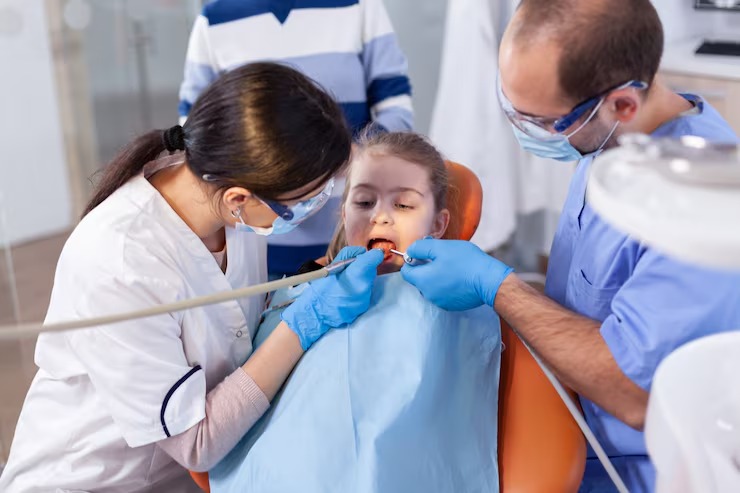
Many parents ask, When should a child see a dentist? The answer is earlier than most expect. A child should see a dentist by their first birthday or when their first tooth appears.
Early visits help:
- Track healthy tooth growth.
- Prevent early cavities
- Build comfort with dental visits.
- Teach parents proper cleaning habits.
These early checkups also lower dental fear as children grow.
Tooth Pain or Sensitivity Is Not Normal
Your Child is Complaining of a Toothache. When your child complains of a toothache, accompanied by tooth sensitivity to hot or cold foods and trouble chewing, that is a clear sign that your child needs dental care. Pain often indicates decay, infection, or damage that needs attention.
Identify these signs.
- Crying at supper.
- Steering Clear of Certain Foods
- Mouth touches or rubs.
- I’m having difficulties sleeping due to pain.
If you can see a dentist near you quickly, you may alleviate pain and prevent further damage.
White Spots, Brown Marks, or Holes on Teeth
Changes in tooth colour are often early warning signs. White chalky spots may mean early decay, while brown or dark marks can signal cavities.
Why this matters:
- Early decay can spread fast in children.
- Baby teeth protect space for adult teeth.
- Untreated cavities can lead to infection.
This is why children’s dentistry in Winnipeg focuses on detecting problems early, even before pain sets in.
Bleeding or Swollen Gums
Healthy gums should not bleed during brushing. If your child’s gums bleed, look red, or appear swollen, it may indicate gum irritation or poor oral hygiene.
Common causes include:
- Plaque buildup
- Skipping brushing or flossing
- Poor brushing technique
This underscores the importance of pediatric dental checkups, as gum issues are easier to address when caught early.
Bad Breath That Does Not Go Away
Occasional bad breath is common, but persistent bad breath is not normal. Bacteria, cavities, or gum problems may cause it.
Possible reasons include:
- Food stuck between teeth.
- Tooth decay
- Gum infection
- Dry mouth
A dental visit can find the cause and help restore fresh breath and comfort.
Trouble Chewing or Biting
If your child avoids chewing on one side, eats slowly, or complains when biting, something may be wrong with their teeth or bite.
This can happen due to:
- Cavities
- Cracked teeth
- Jaw issues
- Tooth alignment problems
These signs mean it’s time for a dental check, even if there is no visible damage.
Delayed or Early Tooth Loss
Losing baby teeth too early or too late can affect how adult teeth grow. Baby teeth guide permanent teeth into place.
Dental visits help:
- Monitor tooth development
- Prevent crowding
- Reduce future alignment problems.
Understanding how often children should visit the dentist helps maintain proper tooth growth—usually every six months unless advised otherwise.
Thumb Sucking or Mouth Breathing
Habits like thumb sucking beyond age four or mouth breathing can affect jaw shape and tooth position.
Dental care can help:
- Track jaw development
- Reduce bite problems
- Offer guidance for habit changes.
Early intervention can reduce the need for more extensive treatments later.
Dental Fear or Anxiety
If your child shows fear of brushing or doesn’t smile, they may already be feeling uncomfortable or embarrassed about it.
Signs include:
- Weeping while cleaning.
- Concealing their smirk.
- Avoiding dental talk.
Regular, gentle visits can help children feel secure and confident about their oral health.
How Often Should Children Visit the Dentist?
How often should your child go to the dentist? Most kids should get examined every six months.
Frequent checkups assist.
- Prevent cavities early.
- Examine growth and bite variations.
- Enhance healthy behaviours.
- Overcome your fear of the dentist.
Some children may need more frequent visits depending on their oral health.
Why Early Dental Visits Matter
When parents understand pediatric dental checkups, they can make better choices about infant care.
- Avoids aches and diseases.
- Safeguards children’s teeth.
- Prevents unnecessary hassle and tension.
- Establishes healthy habits for life.
Childhood dental health sets the stage for adult oral health.
Ready to Support Your Child’s Healthy Smile?
If you notice any of these signs, early care can make a big difference. A gentle, child-friendly approach helps protect growing smiles and builds lifelong confidence. Book a dental visit today and give your child the care they deserve with All Seasons Dental Clinic.
FAQs
Is it normal for children to get cavities in baby teeth?
While cavities in baby teeth are common, they aren’t harmless. Baby teeth are necessary for chewing, guiding permanent teeth, and saving space. When left untreated, cavities can cause pain, become infected, and affect adult teeth. Therefore, it’s essential to get them seen to early.
Can a child brush alone?
Children usually need help brushing until around ages 7–8. Parents should supervise and assist with cleaning all teeth at least once a day, including the back teeth.
Are Dental Visits Painful For Children?
Routine pediatric visits are easy-going and most painless. Kid-friendly dental tools keep kids safe and comfortable during dental care.
What if my child does not like the dentist?
An apology should not be a hindrance. By utilizing frequent visits, positive reinforcement, and a calm approach, it is possible to help reduce anxiety. Gradually sharing a process makes a child feel comfortable.