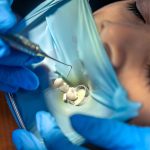

Losing a tooth can affect more than just your smile. It can make chewing difficult, change your speech, and even cause other teeth to shift. One common solution to restore normal function is a dental bridge. Visiting a dentist near you can help you get a dental bridge, which is a dental restoration that replaces one or more missing teeth. Dental bridges help maintain the shape of your face, support proper chewing, and keep your remaining teeth in place.
What Is a Dental Bridge?
A dental bridge is a fixed dental appliance used to fill the gap left by a missing tooth. It usually consists of two or more crowns on the teeth next to the gap and a false tooth in between. The crowns are called abutments, and the false tooth is called a pontic. The bridge is “fixed” because it is cemented in place and cannot be removed like a denture.
The Fixed Dental Bridge Procedure
Getting a bridge usually takes more than one visit to the dental office. Here is how the fixed dental bridges Winnipeg procedure usually works:
- Preparing the Teeth: The dentist first gets the abutment teeth ready. Since these teeth have to hold the bridge, the dentist removes a little bit of the enamel (the hard outer layer of the tooth) to make room for the crowns.
- Taking an Impression: The dentist needs to know the exact shape of the mouth. They use a special putty or a digital scanner to make a mold. This mold is sent to a lab where the bridge is built to fit perfectly.
- Temporary Bridge: While the lab makes the permanent bridge, the dentist might put in a temporary one to protect the gums and teeth.
- The Final Fit: Once the permanent bridge is ready, the patient comes back. The dentist checks the fit and uses a strong medical glue called dental cement to secure it in place.
Key Benefits of Dental Bridges
There are many reasons why a person might choose this treatment. Here are some of the main benefits of dental bridges:
- Chewing Better: It is hard to eat apples or crackers with a missing tooth. A bridge makes the bite strong again.
- Clear Speech: Teeth help the tongue make sounds. A bridge helps a person speak clearly without a lisp.
- Keeping Teeth Straight: Teeth need support from their neighbors. When a tooth is missing, nearby teeth can tilt or shift into the empty space. A dental bridge helps keep all your other teeth in their proper positions.
- Face Shape: Teeth hold up the shape of the face. Without them, the face can look a bit different. A bridge keeps the jaw and cheeks looking normal.
Taking Care of a Bridge
Even though the bridge is not a real tooth, it still needs to stay clean. Food can get stuck under the artificial tooth or around the crowns. If a person does not brush, the real teeth holding the bridge can decay (cavities).
Dentists suggest brushing twice a day with fluoride toothpaste. It is also important to use a special kind of floss called a “floss threader” to clean under the bridge. Visiting a dental clinic for a check-up every six months ensures the bridge stays strong for a long time.
Finding a Dentist Near You
If a dental bridge is needed, it is important to consult a dentist near you. A professional can evaluate oral health, discuss the best type of bridge, and explain the fixed dental bridge procedure. Dental bridges are a common and effective solution for restoring function and appearance after tooth loss.
Restore Your Tooth Appearance and Functionality with a Dental Bridge
At All Seasons Dental Clinic, we provide dental bridges to replace missing teeth and restore your smile. Our dental bridges help improve chewing, speaking, and keep your other teeth in place. We use safe and modern dental techniques to give you long-lasting results. Our team also guides you on care for your new bridge.
Book an appointment today and talk to our dentist near you.
Frequently Asked Questions
Does it hurt to get a dental bridge?
The dentist uses medicine to numb the area before starting. This means a person feels no pain during the procedure. There might be some mild soreness for a few days after, but it goes away quickly.
How long do dental bridges last?
With good brushing and flossing, a bridge can last between 5 and 15 years. Some even last longer if a person avoids chewing on very hard things like ice or pens.
What is the bridge made of?
Most bridges are made of porcelain or ceramic. These materials are very strong and can be colored to match the exact shade of the surrounding natural teeth.
Is it hard to eat with a dental bridge?
At first, it might feel strange. It is best to eat soft foods for a couple of days. After that, eating feels much better than it did when the tooth was missing.