Can bad breath be a sign of a more serious dental problem? Bad breath can make everyday conversations uncomfortable and affect your confidence. Brushing, flossing, and using mouthwash may help temporarily, but they do not always address the underlying cause. In some cases, bad breath can continue even when you take good care of your teeth. Visiting a dentist near you can help find the cause and recommend the right treatment.
A complete mouth exam will reveal more problems than you may actually be able to see yourself. Knowing what causes bad breath can help you improve your oral health and have fresher breath.
Why Bad Breath Happens
Bad breath, also called halitosis, often happens when bacteria build up in the mouth. These bacteria can create unpleasant odours that may remain even after brushing your teeth.
Common causes include:
- Plaque buildup on teeth
- Food particles are trapped between teeth.
- Gum disease
- Dry mouth
- Tooth decay
- Oral infections
A dental examination can help determine which factor may be contributing to the problem.
How Dentists Identify Halitosis Causes
Many causes of bad breath are not visible without a professional evaluation. Understanding how dentists identify the causes of halitosis can help explain why a thorough dental exam is important.
Several areas are assessed during an examination:
- Your teeth and dental work.
- Oral wellbeing
- Surface of the tongue.
- Areas of wisdom teeth.
- Production of saliva.
- Signs of infection
This comprehensive article helps identify conditions that may contribute to persistent bad breath.
Gum Disease and Bad Breath
One of the most common causes of long-term bad breath is gum disease.
When plaque and bacteria collect around the gum line, inflammation can develop. As the condition progresses, deeper pockets may form between the teeth and gums, allowing bacteria to accumulate.
Signs that gum disease may be contributing to bad breath include:
- Bleeding gums
- Swollen gums
- Gum tenderness
- Receding gums
- Persistent unpleasant breath
Early identification allows treatment to begin before the condition becomes more advanced.
Bad Breath From Wisdom Teeth
Many patients are surprised to learn that bad breath from wisdom teeth can be identified during a dental exam.
Wisdom teeth may be difficult to clean properly because of their location at the back of the mouth. Food debris and bacteria can become trapped around partially erupted or hard-to-reach wisdom teeth.
Potential issues include:
- Food accumulation
- Gum inflammation
- Infection around the wisdom teeth
- Difficulty brushing the area effectively
Mouth odour and discomfort may persist if these ailments are left untreated.
Tooth Decay and Hidden Cavities
Cavities do not always cause pain in the early stages. However, areas of tooth decay can trap bacteria and food particles, leading to unpleasant smells.
A dental examination may reveal:
- Small cavities
- Decay between teeth
- Failing fillings
- Cracked teeth
Identifying these concerns early can help prevent further damage and improve oral health.
Tongue Bacteria and Oral Hygiene Habits
The surface of the tongue contains tiny grooves where bacteria can collect.
Bacteria present on the tongue may still produce bad odours, even if you brush and floss regularly.
An assessment in dentistry may:
- Examine tongue covering.
- Evaluate dental cleanliness habits.
- A discussion on cleaning methods
- Identify areas that may be missed during daily care
Updating your brush-and-floss routine can point you in the right direction for fresher breath.
Why a Bad Breath Consultation Matters
A bad breath consultation with a dentist can provide answers when home remedies are not working.
Bad breath is often a symptom rather than the actual problem. Identifying the source allows treatment recommendations to be based on the specific cause rather than temporary solutions.
A professional assessment can help determine whether the issue is related to:
- Gum disease
- Tooth decay
- Wisdom teeth concerns
- Dry mouth
- Oral infections
- Oral hygiene challenges
Identifying the cause is the first step toward effectively addressing the issue.
What Happens During Comprehensive Dental Exams?
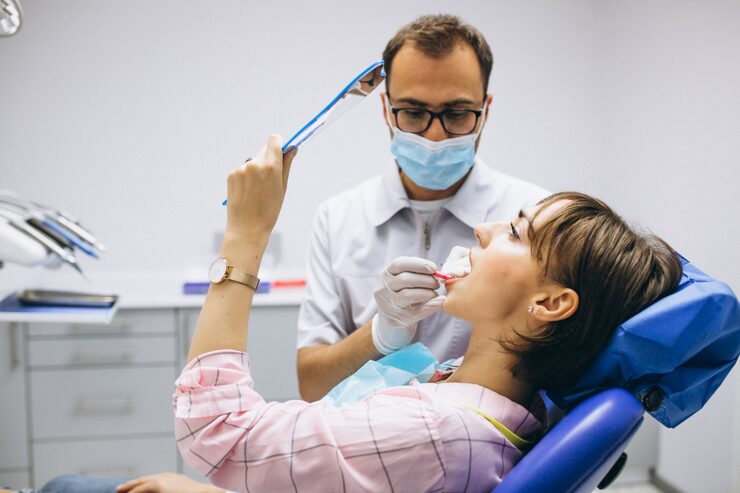
A complete dental examination focuses on more than just checking for cavities.
During comprehensive dental exams in Winnipeg, the following may be evaluated:
- Teeth and restorations
- Gum health
- Signs of infection
- Wisdom teeth condition
- Oral tissues
- Bite alignment
- Areas where bacteria may accumulate
This thorough approach helps identify oral health concerns that may otherwise go unnoticed.
A Healthier Mouth Begins With Early Detection!
A comprehensive evaluation of your mouth can detect other hidden oral health concerns that may be causing ongoing bad breath. Better to flag the matter earlier so it can be resolved. Schedule your appointment today for tailored dental care and a comprehensive oral health assessment at All Seasons Dental Clinic.
FAQs
Can bad breath be a sign of gum disease?
Yes. Gum disease is one of the most common causes of persistent bad breath because bacteria can collect below the gum line.
Can wisdom teeth cause bad breath?
Yes. Food particles and bacteria may become trapped around wisdom teeth, especially if they are difficult to clean.
Why does bad breath continue even after brushing?
Brushing may not address underlying issues such as gum disease, cavities, dry mouth, or infections that contribute to bad breath.
How do dentists check the cause of bad breath?
A dental examination includes evaluating the teeth, gums, tongue, and wisdom teeth, as well as overall oral health, to identify possible causes.