Are small chips, worn teeth, or surface cracks changing the look of your smile? Many people visiting a dentist in Winnipeg look for cosmetic treatments that improve damaged teeth while keeping most of the natural tooth. Porcelain veneers are a popular option for covering surface damage and creating a smoother, more even smile.
Porcelain veneers are thin, custom-made shells placed over the front surface of teeth. They are commonly used to improve the look of teeth affected by stains, minor cracks, uneven edges, or enamel wear. Patients considering porcelain veneers in Winnipeg often choose this treatment to improve the appearance of front teeth while keeping a natural look.
What Is Surface Tooth Damage?
Surface tooth damage affects the outer part of the tooth, called enamel. It may not always cause pain, but it can change how the teeth look and feel. Common signs include small chips, cracks, rough edges, worn teeth, and stains that do not improve with whitening. This damage can happen slowly over time or after an injury.
What Causes Enamel Damage?
Enamel is strong, but it can still wear down or become damaged. Some common causes include:
- Teeth grinding
- Biting hard foods or objects
- Sports injuries
- Acidic drinks and foods
- Poor oral hygiene
- Natural aging
- Long-term staining from coffee, tea, or tobacco
When enamel becomes thin or damaged, teeth may look dull, uneven, or slightly transparent near the edges.
How Do Porcelain Veneers Cover Tooth Damage?
Porcelain veneers cover the front visible part of the tooth. The veneer is shaped and coloured to match nearby teeth, helping damaged teeth look smoother and more balanced.
This treatment is often used for:
- Small surface cracks
- Chipped front teeth
- Mild gaps between teeth
- Uneven tooth shapes
- Stubborn stains
- Worn enamel
Veneers do not repair the inside of the tooth. Instead, they improve the outer appearance while helping protect the front surface from additional wear.
Why Are Veneers Commonly Used for Cosmetic Repairs?
Patients looking for a cracked teeth cosmetic fix often choose veneers because they can improve several concerns at the same time.
Porcelain veneers may help:
| Concern | How Veneers Help |
| Chipped teeth | Cover uneven edges |
| Surface cracks | Hide visible damage |
| Worn enamel | Restore a smoother appearance |
| Tooth stains | Cover deep discolouration |
| Uneven teeth | Improve shape and symmetry |
What Happens During the Veneer Process?
Getting porcelain veneers usually takes more than one dental visit. First, the dentist examines the teeth, gums, and bite to see if veneers are the right option. X-rays or digital scans may also be taken.
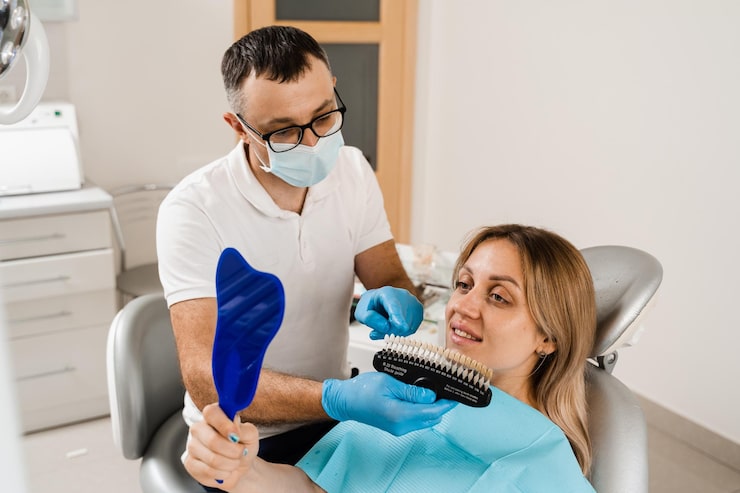
Next, a small amount of enamel is gently removed from the front of the tooth to allow the veneer to fit properly. Impressions or digital scans are then used to create custom veneers that match the colour of the surrounding teeth.
Once the veneers are ready, they are carefully bonded to the teeth, and the dentist checks the fit and bite before finishing the treatment.
Are Porcelain Veneers Strong?
Porcelain veneers are made to handle normal biting and chewing. However, they still need proper care to last longer. Patients should avoid chewing ice or biting hard objects, as this may damage the veneers. Wearing a mouthguard during sports and treating teeth grinding can also help protect them.
Regular brushing and flossing are important because good oral hygiene helps keep both the veneers and natural teeth healthy.
Can Veneers Help Treat Enamel Damage?
Porcelain veneers are sometimes part of an enamel damage treatment plan when the damage mainly affects the appearance of front teeth.
However, veneers may not be suitable for every situation. Severe decay, advanced cracks, or major bite problems may require different dental treatments.
A dental examination helps determine:
- How much enamel is affected
- Whether the tooth is healthy enough for veneers
- If another restoration would work better
This helps patients choose a treatment that supports both appearance and oral health.
What Are the Benefits of Porcelain Veneers?
Many people choose porcelain veneers in Winnipeg because they can address several smile problems at once.
Porcelain veneers may help by:
- Making teeth look more natural
- Improving the shape of teeth
- Smoothing rough tooth surfaces
- Creating a more even smile
- Covering small chips, cracks, and stains
- Helping prevent some surface stains
The goal is to improve the smile while keeping it natural-looking.
When Should Surface Tooth Damage Be Checked?
Even small cracks or enamel wear should be evaluated if patients notice:
- Increased sensitivity
- Rough tooth edges
- Visible cracks
- Tooth discolouration
- Changes in tooth shape
- Discomfort while biting
Early evaluation may help prevent damage from becoming worse over time.
Restore the Look of Worn or Chipped Teeth!
Looking for a Way to Improve Damaged Teeth? Small chips, worn enamel, and visible cracks can affect how your smile looks over time. Porcelain veneers may improve the appearance of damaged front teeth, creating a smoother, more balanced look. If you are considering porcelain veneers in Winnipeg, book your appointment with All Seasons Dental Clinic to learn whether this treatment is right for your dental needs.
FAQs
Do porcelain veneers fix cracked teeth?
Porcelain veneers can cover small surface cracks and improve the appearance of damaged front teeth. Bigger or deeper cracks may need a different dental treatment.
Are veneers only used for cosmetic reasons?
Veneers are mainly used to improve appearance, but they can also help protect worn or damaged front tooth surfaces from further minor wear.
Can veneers stain over time?
Porcelain veneers are more stain-resistant than natural enamel, but surrounding natural teeth can still change colour over time.
Is getting veneers painful?
Most patients experience little discomfort during the process. Local freezing may be used during tooth preparation if needed.