Have you recently had dental implants, or are you considering them? Taking proper care of them is essential. Implants look and work like natural teeth, but they last longer when you maintain them well. Visiting a trusted dental clinic in Winnipeg can help you learn the best habits, products, and routines to keep your implants healthy and enjoy your smile for years.
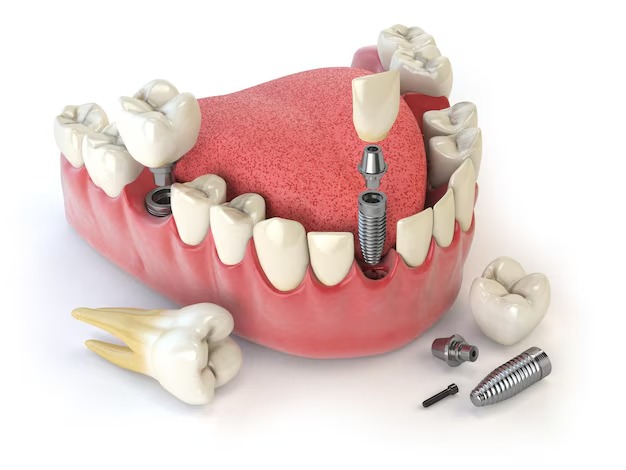
Dental implants replace missing teeth by integrating with the jawbone through a process called osseointegration. This fusion provides stability, allowing you to chew, speak, and smile confidently. However, implants are not “set-and-forget” solutions; they require daily attention and awareness of factors that can affect healing and long-term success.
Why Aftercare Is Important for Dental Implants
The care of dental implants in Winnipeg is more than brushing and flossing. By properly caring for your dental implants, you can avoid infections, swollen gums, and implant failure. The materials implants are made of, like titanium, bond to your jawbone, but your tissue and gums need protection as well.
If implants are not cared for, you can get peri-implantitis, a gum disease that affects the area around the implant. This can weaken the bone and damage the implant. Smoking, poor diet, and not maintaining oral hygiene can also cause problems. Knowing how to care for your implants helps them last for many years.
Daily Care for Your Dental Implants
Maintaining dental implants is similar to caring for natural teeth, but with a few added precautions to protect the implant surface and surrounding tissue.
- Brush twice a day: Use a soft-bristled toothbrush with non-abrasive toothpaste to avoid scratching the implant. Brushing after meals helps remove plaque before it hardens into tartar.
- Floss carefully: Use special implant floss or interdental brushes to reach tight spaces around the implant and prevent plaque buildup. This is especially important for areas where implants meet natural teeth.
- Rinse with an antibacterial mouthwash: Using an alcohol-free rinse reduces harmful bacteria in your mouth and helps keep your gums healthy.
- Avoid hard or sticky foods: Nuts and sticky candy can put pressure on your implant. Eat soft foods while your mouth is healing.
- Check your gums: Red, swollen, or bleeding gums may mean there’s a problem. Seeing your dentist early can prevent bigger issues.
Lifestyle Habits That Support Implant Health
Dental implants have many different risks that are related to lifestyle. These habits can prolong your implant’s lifespan.
- Quit smoking: To boost healing and minimize the chances of implant failure, quitting smoking is essential, as it restricts blood flow.
- Limit sugary and acidic foods: High sugar intake and acidic foods can damage the surrounding natural teeth and gums, indirectly putting implants at risk.
- Stay hydrated: Saliva helps protect your teeth and implants by naturally washing away food particles and neutralizing acids.
- Attend regular dental checkups: Routine professional cleanings help prevent plaque and tartar buildup around your implants.
- Use a night guard if necessary: Teeth grinding or clenching can damage implants, crowns, and natural teeth. A night guard offers protection during sleep.
Monitoring Your Implants: What to Look For
Even with proper care, it’s essential to monitor changes in your implants and the surrounding gums. Some signs may indicate that your implant needs professional attention:
- Persistent redness or swelling around the implant
- Pain when chewing or touching the implant
- A feeling of looseness or mobility
- Receding gums or exposed implant threads
Contact a dental clinic near you immediately if you notice any of these issues. Early intervention can prevent more serious complications and keep your implants healthy.
Tips for Long-Term Implant Success
Consistently stick to a daily hygiene regimen.
- Don’t bite your nails, chew on ice, or grind your teeth.
- Follow your dentist’s instructions throughout the healing period.
- Make sure you attend all recommended checkups.
- Incorporate nutrients in your diet to help maintain healthy gums and bones.
Incorporating these habits will help you maintain the longevity of your dental implants for many years, ensuring both function and aesthetics, and showing you how to make dental implants last longer.
Protect Your Dental Implants for Years to Come!
Your smile is integral to your confidence and daily life. At All Seasons Dental Clinic, our caring team is here to guide you on proper aftercare, answer all your questions, and help you keep your implants healthy and strong. Schedule your consultation today and take the first step toward a lifetime of confident, functional smiles.
FAQs
When can I resume eating after a dental implant?
For the first few days after the surgery, soft foods are recommended. As you get better, your dentist will tell you to start eating more solid food once again.
Can dental implants ever decay?
The implant per se won’t decay, but the natural teeth and gums around it may. Keeping the mouth and teeth clean will ensure long-term success.
How often should I follow up with a dentist after an implant?
Initial follow-ups are typically arranged within a week of the patient’s placement, with appointments at 1, 3, and 6 months. After that, your implant & overall oral health should be checked every 6-12 months.
What should I do if my implant feels loose or painful?
Never ignore discomfort. Contact your dentist immediately for evaluation. Prompt attention can prevent further complications and ensure the implant remains secure.