A cracked or weakened tooth does not always need a full crown. Sometimes, a smaller solution can do the job just as well and that is exactly where inlays and onlays come in. If you have been told you need one of these restorations, speaking with a dentist near you can help you understand how they work and why they are often recommended instead of more invasive options.
What Are Dental Inlays and Onlays?
Inlays and onlays are custom-made restorations used to repair teeth that have more damage than a filling can handle, but not enough to need a full crown.
An inlay fits inside the grooves on the chewing surface of a tooth, between the raised points called cusps. An onlay covers a bigger area, extending over one or more of those cusps to give extra support and protection.
Both are usually made from strong materials like porcelain or composite resin, and both are custom-made to match the exact shape of your tooth.
Why a Cracked Tooth Needs More Than a Filling
When a tooth has a crack or has lost a good amount of its structure to decay, a regular filling may not give it enough support. Fillings work well for smaller cavities. But once a bigger part of the tooth is weakened, the rest of the tooth needs reinforcement to handle normal chewing pressure.
This matters most for back teeth, since they take on the biggest force when you chew. Without enough support, a weak tooth is much more likely to crack further sometimes badly enough that it cannot be saved.
The Best Option for Cracked Molars
When it comes to the best dental onlays for cracked molars, porcelain is usually the material dentists choose. It is strong, lasts a long time, and matches the natural colour of your teeth closely, so the restoration is barely noticeable once it is placed.
An onlay placed on a cracked molar works by strengthening the weak points of the tooth. It spreads chewing pressure evenly across the whole tooth instead of letting it press down on the already-damaged area. This greatly lowers the chance of the crack getting worse or the tooth breaking further.
For patients looking into dental inlays and onlays in Winnipeg, providers can offer a gentler alternative to a full crown — keeping more of your natural tooth in place while still giving it the strength it needs.
How Inlays and Onlays Stop Cracks From Spreading
The biggest benefit of inlays and onlays comes down to how they spread out pressure across the tooth. A tooth with a large filling or a lot of structural damage has weak spots where pressure builds up unevenly while chewing. Over time, that uneven pressure is exactly what causes cracks to form and grow.
An inlay or onlay basically rebuilds a smooth, even surface across the tooth. When you bite down, the force spreads out the way it should, instead of pressing down hard on one weak spot. This even spread of pressure is what protects the tooth from cracking further.
What to Expect From Treatment
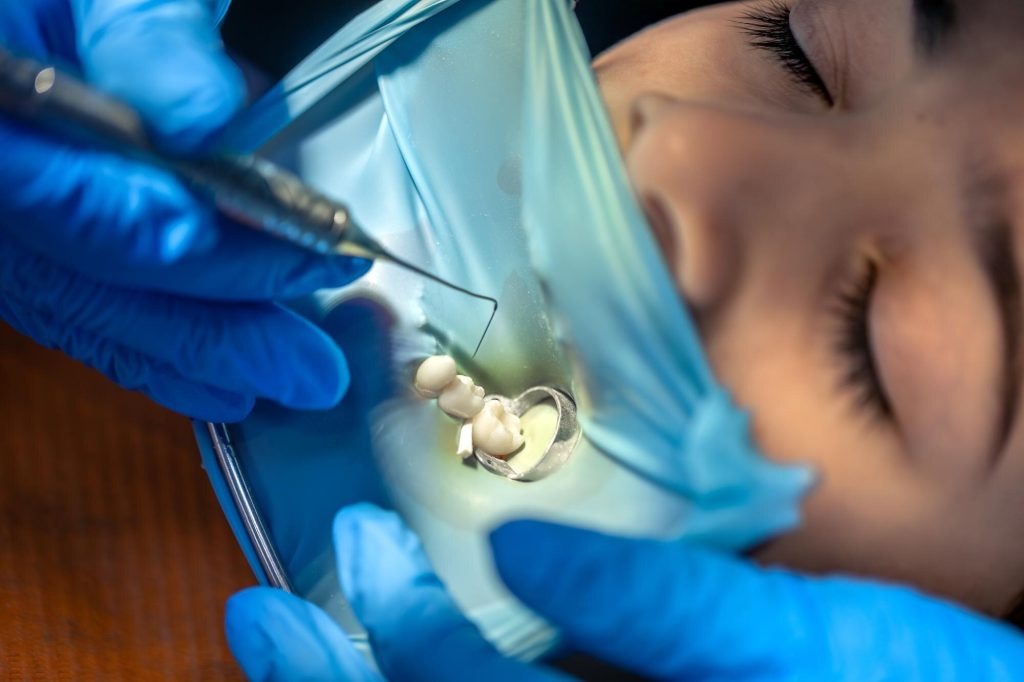
Getting a custom porcelain onlays treatment usually takes two appointments, much like getting a crown.
At the first visit:
- The damaged or decayed part of the tooth is removed
- A mould or digital scan of the tooth is taken
- A temporary restoration is placed while your permanent one is made
At the second visit:
- The temporary restoration is removed
- The custom porcelain onlay is checked carefully for fit and bite
- It is bonded permanently in place
The whole process is comfortable and done under local anesthesia. It also keeps much more of your natural tooth compared to getting a full crown.
How Long Do These Restorations Last?
A common question patients ask is how long do dental inlays last, and the answer is good news. With proper care, porcelain inlays and onlays usually last between 10 and 20 years often lasting much longer than a regular filling.
Simple habits that help them last even longer:
- Brush twice a day with a soft-bristled toothbrush
- Floss daily around the restoration
- Avoid chewing on very hard foods like ice or hard candy
- Wear a nightguard if you grind your teeth at night
- Visit your dentist regularly so the restoration can be checked
Protect Your Smile With Confidence — Visit All Seasons Dental Clinic
A cracked or weakened tooth does not always mean you need a full crown. With the right restoration, you can protect your natural tooth while preventing further damage down the road.
At All Seasons Dental Clinic, the team takes the time to look at each tooth carefully and recommend the gentlest, most effective treatment for your situation. Book your appointment today and find out whether an inlay or onlay is the right fit for your smile.
Frequently Asked Questions
What is the difference between an inlay and an onlay?
An inlay fits inside the grooves of the tooth, between the raised points. An onlay covers a larger area, going over one or more of those points for extra support. Your dentist will recommend the right option based on how much of the tooth is damaged.
Are inlays and onlays better than a regular filling?
For small cavities, a regular filling usually works just fine. For bigger areas of damage where a filling would not give enough support, inlays and onlays offer stronger, longer-lasting protection while still saving more of your natural tooth than a full crown would.
Is there any special treatment required for inlays and onlays?
No, there isn’t. The only special care these restorations require is the kind that you should follow with your overall dental health. So go on, brush and floss the way you’ve always done; don’t bite down too hard on anything. Don’t forget your routine dentist appointments, where we’ll check the restoration from time to time.
Does getting an inlay or onlay hurt?
The procedure is done under local anesthetic, so you should feel little to no pain during treatment. Most patients only feel mild pressure, and any soreness afterward usually goes away within a few days.